
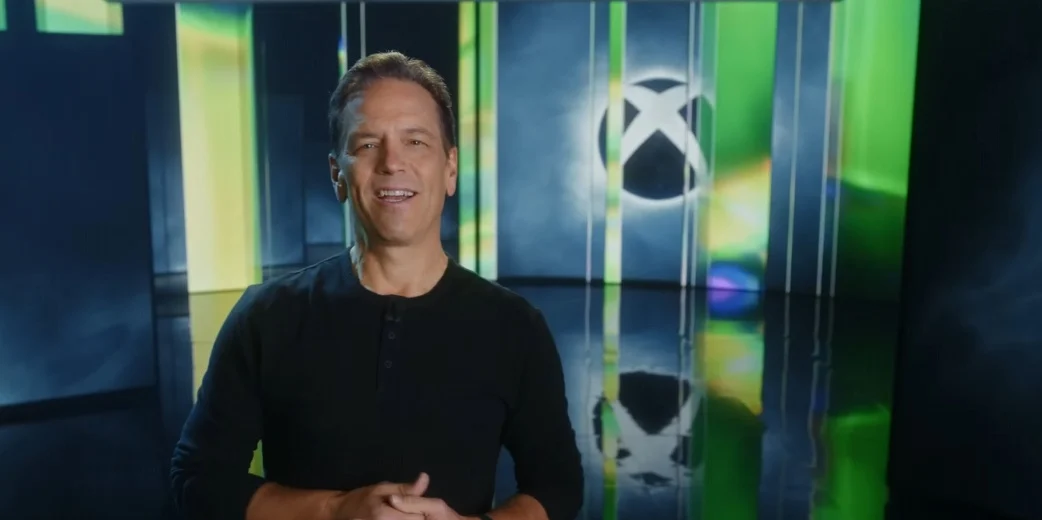
For over a decade, the face of Xbox hasn’t just been a corporate suit in a boardroom, it’s been a guy in a graphic tee who genuinely seemed to love video games. But this week, the industry felt a massive shift as Phil Spencer officially announced his retirement from Microsoft after a staggering 38-year career. Starting as an intern in 1988 and eventually becoming the CEO of Microsoft Gaming, Spencer’s departure marks the definitive end of an era for the green brand.
To the general gaming audience, Phil wasn’t just an executive he was “P3,” the Gamertag seen on Xbox Live leaderboards. He took the reins in 2014 when the brand was reeling from the disastrous Xbox One launch and spent the next decade pivoting toward a “player-first” philosophy. From championing backward compatibility to the aggressive expansion of Xbox Game Pass and the seismic acquisition of Activision Blizzard, Spencer’s tenure was defined by the idea that gaming should be accessible to everyone, anywhere.
“It’s been an epic ride and truly the privilege of a lifetime,” Spencer shared in his farewell memo. He confirmed he will remain in an advisory role through the summer to ensure a smooth handoff to his successor, Asha Sharma.
The news has sent ripples through the community, especially with the simultaneous resignation of Xbox President Sarah Bond. The “new look” Xbox leadership is now spearheaded by Sharma, formerly the head of Microsoft’s CoreAI. While some fans are wary of an AI-focused executive taking the lead, Sharma was quick to address those fears, promising a “renewed commitment to console” and a vow not to flood the ecosystem with “soulless AI slop.”
As Phil hangs up his headset to “play alongside the community” as a fan, the legacy he leaves behind is one of transformation. Whether you agreed with every move or not, it’s hard to imagine Xbox without the man who spent ten years trying to convince us that “when everybody plays, we all win.”




Leave a Reply