The gaming industry is no stranger to massive consolidations, but the proposed $55 billion acquisition of Electronic Arts (EA) by Saudi Arabia’s Public Investment Fund (PIF) has sent shockwaves through the global tech and political landscape. What began as a series of minority investments has culminated in a full-scale takeover bid that has ignited a firestorm of ethical, national security, and labor concerns.
Geopolitical and Ethical Friction
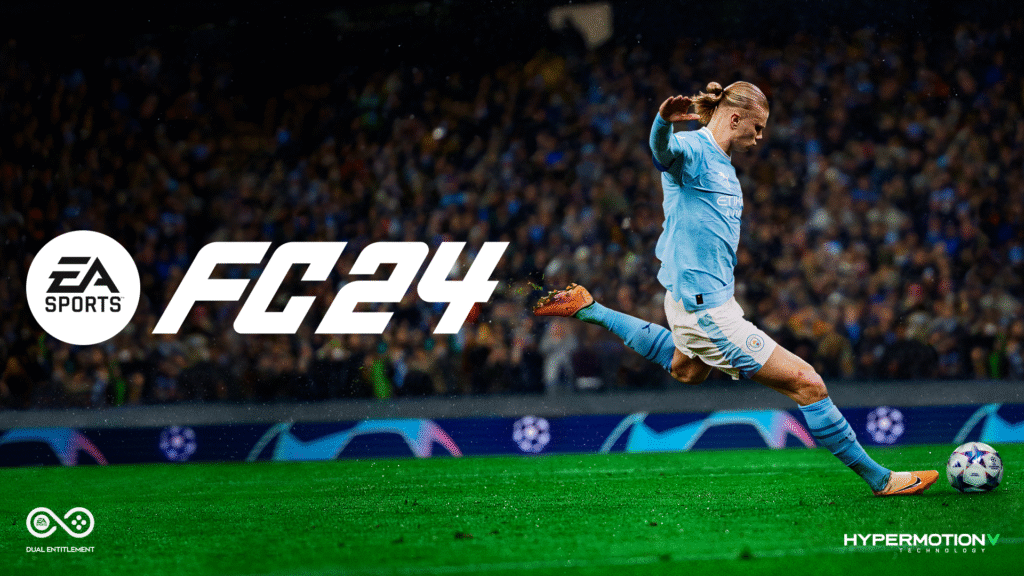
At the heart of the controversy is the concept of “soft power.” Critics argue that the Saudi government is using its massive sovereign wealth fund to “sportswash” its global image, leveraging iconic franchises like EA Sports FC, Madden, and Apex Legends to pivot away from its controversial human rights record. For many players and industry analysts, the idea of one of the West’s largest media entities being state-owned by a foreign monarchy presents an unprecedented ethical dilemma.

National Security and Data Privacy
Regulators in the United States and Europe have expressed mounting anxiety regarding the deal. From a national security perspective, the acquisition of EA grants the PIF access to a staggering amount of consumer data. Lawmakers have raised questions about how this data ranging from payment information to behavioral analytics will be protected and whether it could be leveraged for state-level surveillance or influence operations.
The Labor Backlash
Internal friction at EA has reached a boiling point. Labor unions and employee advocacy groups have voiced concerns over creative freedom and workplace culture. There are fears that state ownership could lead to censorship of content particularly regarding LGBTQ+ representation and political themes—within EA’s diverse portfolio. As the industry watches closely, the outcome of this deal will likely redefine the boundaries between global finance and creative independence in the digital age.






Leave a Reply