

Nintendo recently tried to get an important patent in Japan for a specific way players catch and interact with creatures—think of the mechanics you see in a game like Pokémon. The Japan Patent Office (JPO), however, said “no.”
Rejection Basis: “Prior Art” and implied lack of concept originality
The key reason for the rejection is something called “prior art,” which simply means ideas or methods that already exist and are known to the public.
The JPO looked at Nintendo’s claimed “new invention” for catching monsters and found that other games had already used similar ways of doing things long ago. They pointed to other popular titles, including games like ARK: Survival Evolved and Monster Hunter, as evidence that the mechanics were not truly new or unique to Nintendo. Even Nintendo’s own game, Pokémon GO, was cited as an example of an existing similar mechanic!
The Impact on Game Design





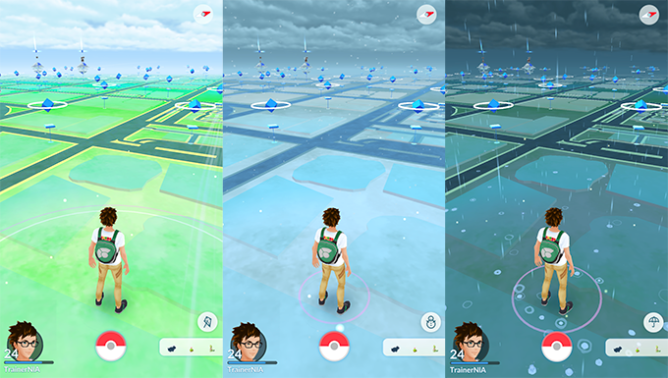

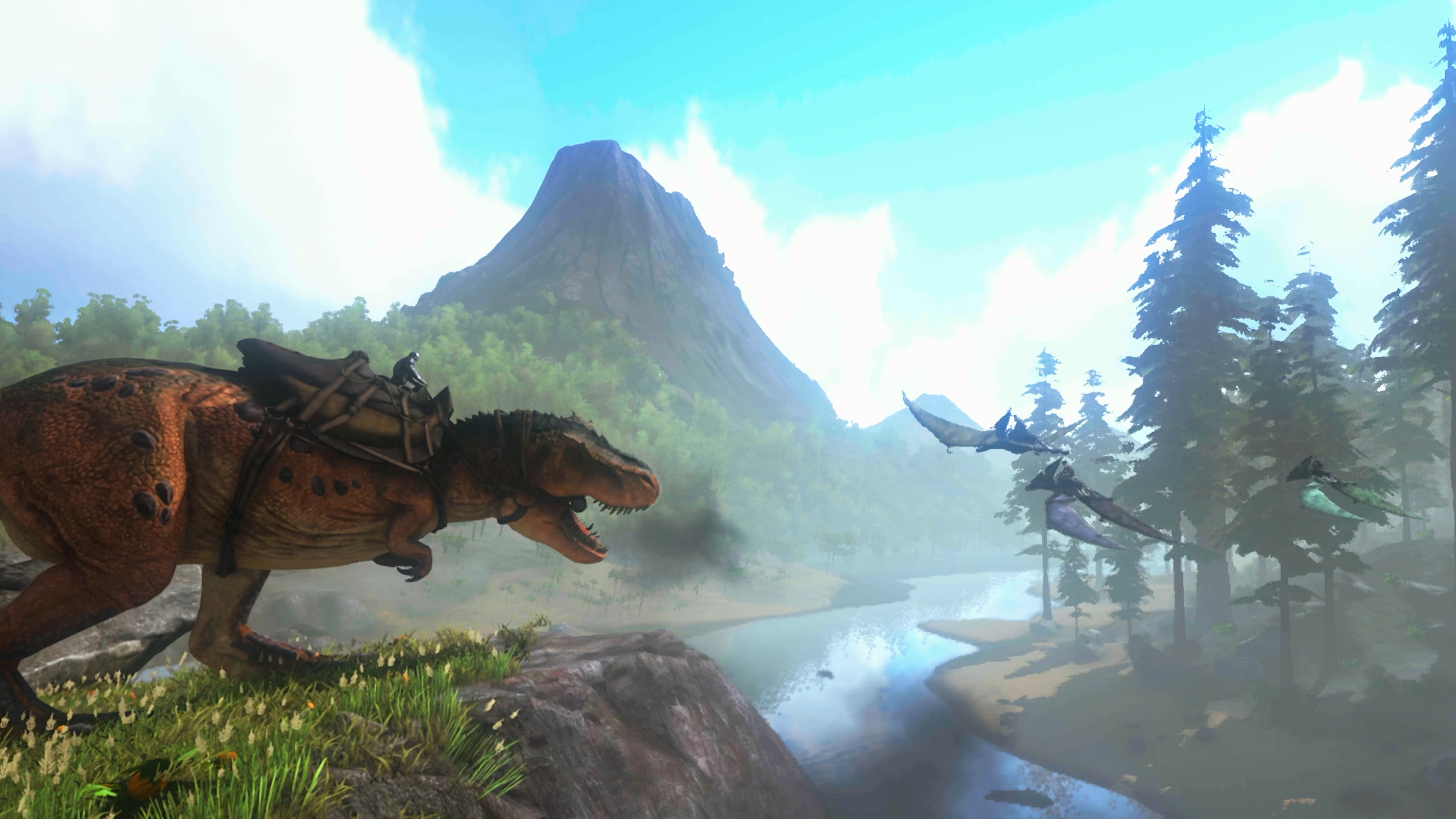
This decision is significant because it challenges the idea that a single company can “own” basic ways of playing a video game.
- Protecting Creativity: If companies could easily patent simple, fundamental mechanics (like “aim and throw a ball to capture a creature”), it would force every other developer to constantly invent radically different, complicated ways to do simple things. This would slow down innovation and make game design much harder.
- Keeping the Pool Open: The JPO’s stance helps ensure that common methods of interaction, the basic “rules of the game”, remain a shared resource for the entire industry. It says that for a patent to be granted, a mechanic must be a truly inventive leap and not just a slightly tweaked version of something players have already experienced.
The rejection, which relates to patents used in the current legal battle against the creators of Palworld, suggests that using a similar system to other games isn’t necessarily illegal if the core method isn’t a genuinely new invention. This is a win for developers who build upon established, decades-old concepts to create new experiences.






Leave a Reply