
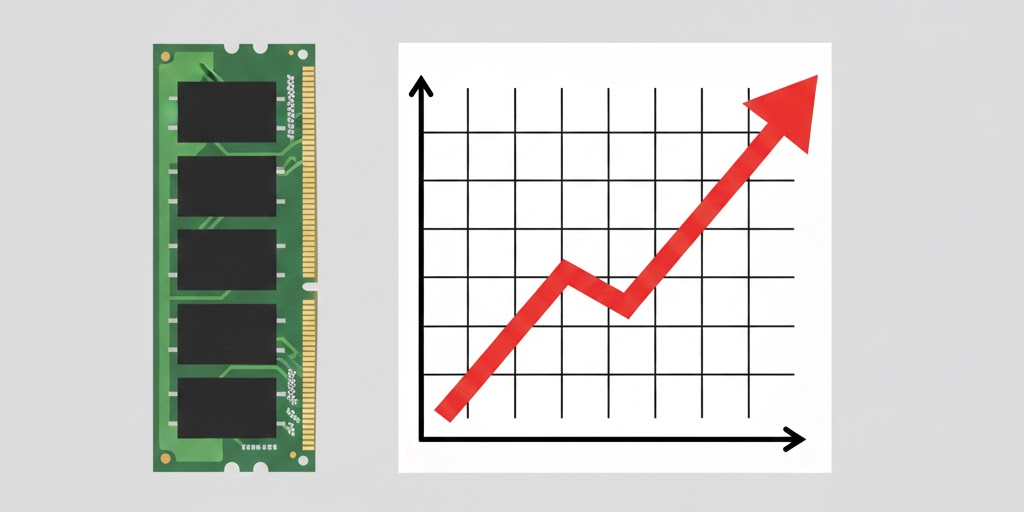
The PC hardware market is bracing for a significant financial impact as industry analysts forecast a sharp and sustained price hike for DRAM (Random Access Memory) modules throughout 2026. This upward trend is primarily driven by several critical factors converging simultaneously, a rebound in consumer electronics demand, constrained supply from major manufacturers, and, most importantly, the massive and growing hunger for High Bandwidth Memory (HBM) chips used in AI servers.
Leading memory manufacturers are aggressively prioritizing HBM production, which offers significantly higher profit margins than standard consumer DRAM (DDR5 and DDR4). This strategic shift means less fabrication capacity is dedicated to the standard RAM modules used in gaming PCs, laptops, and everyday consumer devices. The resulting scarcity is directly translating into higher retail prices for both bulk and module sales.
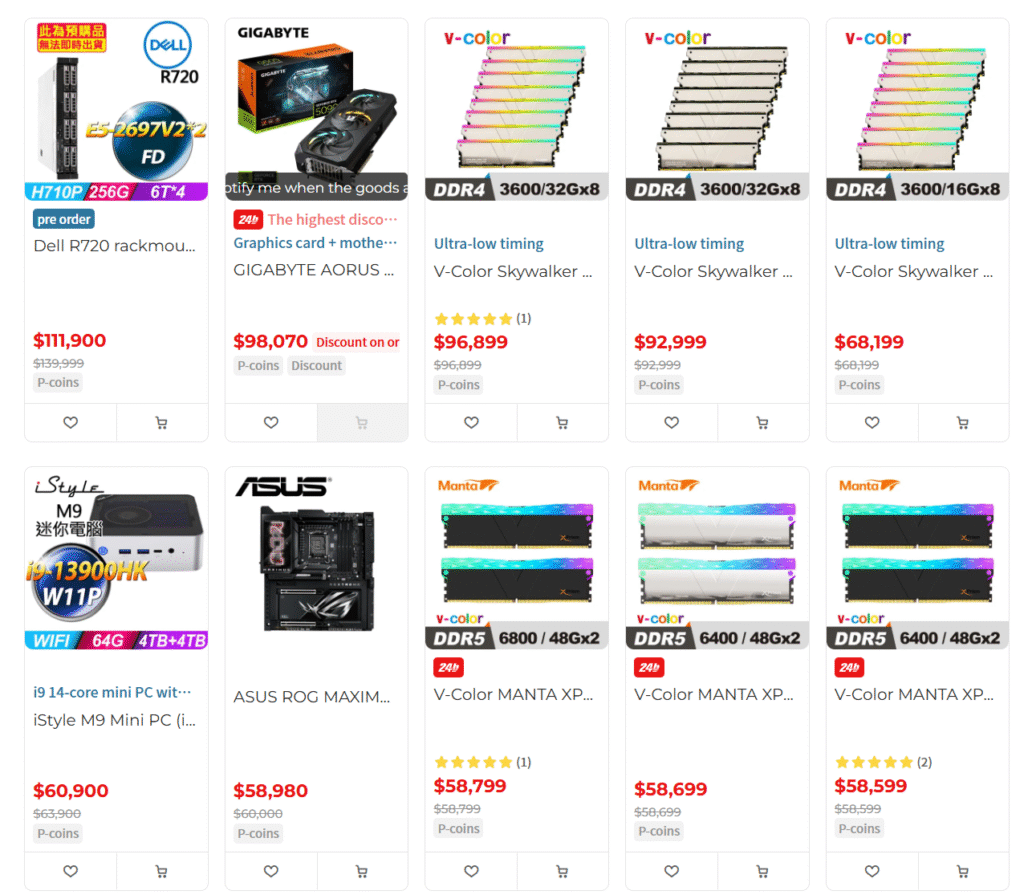
[Image from tweaktown.com]
Implications for Consumers and the Industry
This DRAM price increase carries several immediate and long-term implications:
- Higher PC Building Costs: PC builders, gamers, and enthusiasts planning upgrades will face substantially increased costs. Since RAM is a non-negotiable component, budget builds will become more expensive, potentially slowing down the upgrade cycle for many consumers.
- Smartphone and Laptop Costs: Manufacturers of smartphones and laptops, who are major buyers of mobile DRAM, will also face increased component costs. These costs are often passed down to the consumer, leading to higher retail prices for new mobile devices.
- DDR4 Resilience: While DDR5 will be heavily affected, the price jump may give DDR4 a temporary edge in value for budget-conscious users, as manufacturers may try to offload older inventory before shifting all focus to the new architecture.
Ultimately, the surge in AI infrastructure demands is effectively raising the floor price for all memory technologies, signaling a tougher financial climate for hardware consumers moving into the next year.




Leave a Reply